DIY Landscaping
DIY Backyard Landscaping: 8 Weekend Projects That Make a Big Difference
A tidy, inviting backyard is mostly a matter of good structure: clear paths, defined beds, a place to sit and plants that suit your conditions. These eight projects are all DIY-friendly, and each one can be finished in a weekend or two.
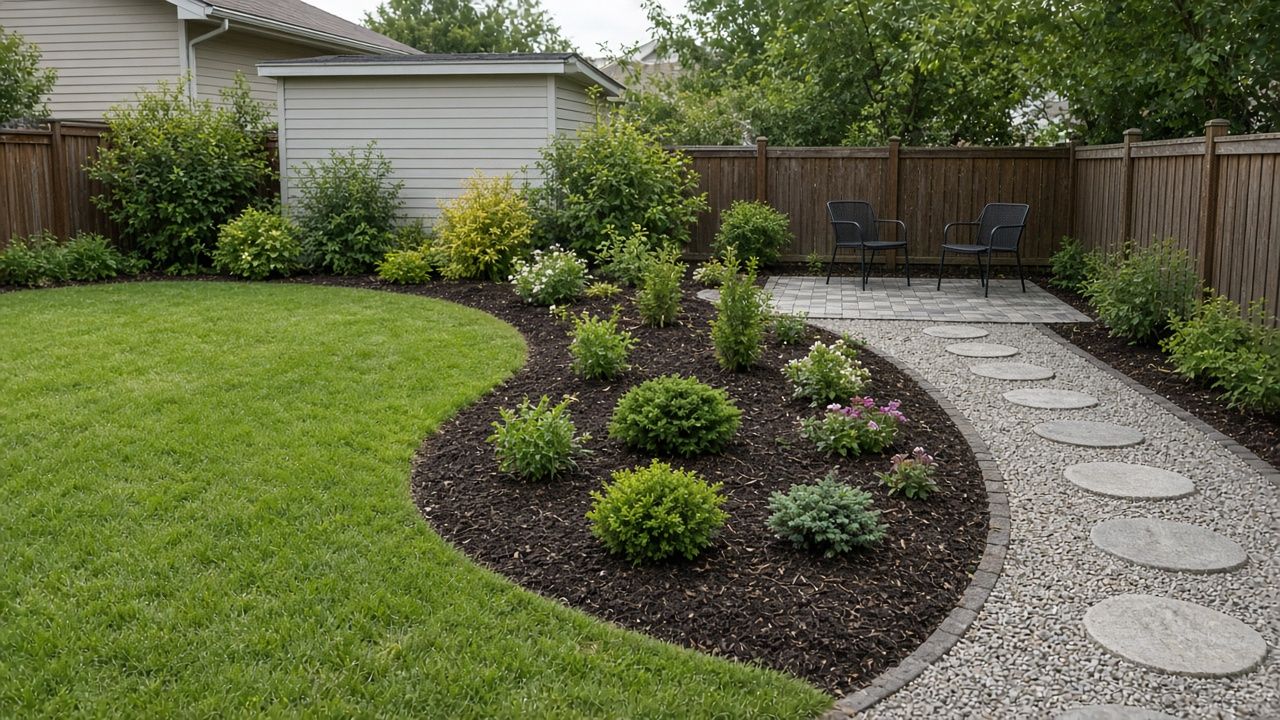
You do not need a landscaper to transform a plain yard. A few weekend projects, done in the right order, add structure, color and usable space. Start with a plan, then work from the "hard" features (paths, patio, edging) to the "soft" ones (plants and mulch).
1. Map your yard first
- Sketch the yard to scale, including the house, fences, trees, slopes and downspouts.
- Watch the sun for a day: mark full sun (6+ hours), part shade and full shade.
- Note where water collects after rain and where people naturally walk.
- Decide on zones: sitting, play, planting, storage (maybe a shed).
Before digging, contact your local utility-locating service so buried lines are marked. It is usually free and avoids dangerous mistakes.
2. Cut a curved planting bed
Lay a garden hose on the lawn to shape a smooth curve. Big, gentle curves look better and are easier to mow around than tight wiggles. Cut along the hose with a half-moon edger or spade, then remove the sod or smother it with cardboard and a thick layer of compost and mulch for a no-dig bed.
3. Mulch properly
A 2–3 inch layer of shredded bark or wood chips suppresses weeds and holds moisture. Keep mulch a few inches away from tree trunks and plant stems; "mulch volcanoes" piled against trunks can cause rot. Top up once a year.
4. Lay a gravel path
- Mark the path at least 3 feet wide so two people or a wheelbarrow fit.
- Dig out 3–4 inches, level the base and compact it.
- Lay landscape fabric if you want fewer weeds.
- Add crushed stone or pea gravel and rake it level. Stepping stones set into the gravel make walking easier.
If you are stuck on the design part and would like to browse a large library of landscaping ideas and layouts before you dig, there is a paid design collection many homeowners look at.
Disclosure: this is an affiliate link — if you buy, we may earn a commission at no extra cost to you. Learn more
Look at Ideas4Landscaping → (affiliate link)
5. Install edging
Edging keeps gravel out of the lawn and mulch in the beds. Options range from a simple spade-cut trench to metal, plastic or brick edging. Set the top just above soil level so the mower wheel can ride along it.
6. Build a small paver patio
A 10 × 10 foot patio is a manageable DIY project:
- Mark the area and dig down far enough for compacted gravel base, a sand bedding layer and the paver thickness.
- Slope the surface slightly away from the house so water drains.
- Compact the base in layers. This step decides whether the patio stays flat for years.
- Screed a smooth sand layer, lay pavers in your pattern, add edge restraints and sweep joint sand into the gaps.
Renting a plate compactor for a day is well worth it.
7. Choose low-maintenance plants
- Pick plants suited to your climate zone and the sun map you made.
- Group plants with similar water needs together.
- Use shrubs and perennials for structure and fill gaps with a few annuals for color.
- Check the mature size on the label and space plants for it, not for how they look today.
Local garden centers and extension services can tell you which plants are invasive in your area, so you can avoid them.
8. Add simple lighting
Low-voltage or solar path lights along the path and a string of lights over the patio make the yard usable at night. Low-voltage kits are DIY-friendly; anything connected to mains power should follow local electrical rules.
Plan a realistic budget
Spread larger projects over seasons. A sensible order is: drainage fixes and grading, then paths and patio, then edging and beds, then plants, and finally lighting and decor. Buying plants last avoids losing them to construction traffic. Bulk materials such as mulch, gravel and topsoil are usually cheaper delivered by the cubic yard than in bags once you need more than a few bags' worth. Measure the area, multiply by depth, and add about 10% extra.
Fall and spring timing
In many climates, early fall is an excellent time to plant shrubs and perennials, because the soil is still warm and rain is more regular. Spring is good for most hardscaping once the ground has dried out. Avoid heavy digging in waterlogged soil, which compacts it and harms plant roots.
Need design inspiration before you dig?
Ideas4Landscaping (ideas4landscaping.com, sold through ClickBank) is a digital collection of landscaping ideas and designs.
According to the vendor, it offers over 7,250 landscaping ideas and designs plus videos for front yards, backyards and gardens. Those are the seller's claims; it is an inspiration and planning resource, and plants and materials should still be chosen for your local climate.
Pros
- Large range of yard styles to compare
- Helps you settle on a layout before buying materials
- Digital product sold through ClickBank's standard refund process
Caveats
- Inspiration library, not a custom design
- Not every idea suits every climate or budget
- Order pages may show upsells you can decline
Affiliate link — we may earn a commission at no extra cost to you.
Disclosure & Privacy
This page contains affiliate links. If you buy through them we may earn a commission at no extra cost to you. Descriptions of Ideas4Landscaping repeat claims published on the vendor's own website; we have not independently verified them. This article is general information, not professional advice. SeeDIY is an independent publisher and is not affiliated with the vendor beyond the ClickBank affiliate program. Full details: Affiliate Disclosure, Privacy Policy, Cookie Policy, Terms of Use.
We do not sell your personal information. Hosting, DNS, and security run through Cloudflare Pages and Cloudflare. Questions: our contact form
Frequently asked questions
What should I do first when landscaping a backyard?
Make a scaled sketch, map sun and drainage, and have buried utilities marked before digging. Then build paths and patios before planting.
How deep should mulch be?
About 2–3 inches, kept a few inches away from tree trunks and plant stems.
Can I build a paver patio myself?
Yes, a small patio is a common DIY project. A well-compacted base and a slight slope for drainage are the keys to a flat, lasting result.